
You wash your face, moisturize, even remember sunscreen most days. And your skin still looks kind of tired. That’s usually the point where someone tells you to try vitamin C.
They’re not wrong to say it. But nobody mentions the annoying part — buy the wrong bottle and you’ve either wasted your money or you’ve got skin that stings every time you touch it.
So before you grab the first serum that pops up in your search, let’s get into Vitamin C Serum for Glowing Skin: How to Choose the Right One — and what actually separates a decent one from a gimmick.
What Vitamin C Is Actually Doing for Your Skin
Antioxidant is the technical word for it, but here’s what that means day to day: vitamin C helps your skin push back against the wear and tear from sun, pollution, and just being outside. That wear and tear is a big reason skin starts looking dull or patchy in the first place.
Stick with it and you’ll usually notice skin looking a bit brighter, a bit more awake. It’s also handy for taking the edge off old sun spots and the marks that stick around after a breakout clears.
That said, it’s not doing this alone. You still need the basics — a cleanser that doesn’t strip your skin, a moisturizer that fits your skin type, sunscreen every morning without exception. Vitamin C makes a good routine better. It won’t save a routine that’s missing those pieces.
The Details That Actually Separate a Good Serum From a Mediocre One
Plenty of bottles say “vitamin C” on the label. Far fewer are formulated well.
Not All Vitamin C Is the Same Molecule
L-ascorbic acid is the most studied and arguably most effective form but it’s also the trickiest to stabilize and can irritate sensitive skin. Gentler derivatives sacrifice a bit of potency for comfort. Knowing which one you’re buying matters more than most people realize.
Concentration Is Not the Deciding Factor
A 20% serum isn’t automatically better than a 10% one — it’s just stronger, which isn’t the same thing as more effective for your skin. If you’re new to vitamin or your skin reacts easily, start moderate. The right strength is the one you can actually stick with not the one with the biggest number on the box.
The Supporting Cast Matters
A well-built serum rarely relies on vitamin C alone. Hydrating ingredients mixed in make it far easier to tolerate, especially on dry or sensitive skin, and some formulas pair it with additional antioxidants for extra support. Read past the front label.
Matching a Serum to Your Skin Type
If your skin runs oily or acne-prone, look for something lightweight that won’t sit heavy by midday. Vitamin C can help soften post-acne marks, though it’s not a stand-in for actual acne treatment.
If you’re dealing with dry skin, pair the serum with a solid moisturizer right after application, and hold off on adding other strong actives while you’re getting used to it.
Sensitive skin calls for the most care here. Even a well-formulated vitamin C serum can sting or flush the skin. Patch test before full use, ease in slowly and stop if the irritation doesn’t calm down within a week or two.
If dullness or uneven tone is your main issue, consistency does more heavy lifting than concentration. Showing up daily with sunscreen beats occasionally slathering on extra serum.
Getting the Application Right
Apply to clean, dry skin. A few drops are plenty — let them absorb before moisturizer goes on top. Morning tends to be the better slot, since vitamin C’s antioxidant effect pairs naturally with daytime sun exposure.
A simple sequence: cleanser, vitamin C serum, moisturizer, sunscreen. Using more than the recommended amount won’t get you results any faster — it just increases the odds of irritation.
If you’re new to actives in general, try every other day first and watch how your skin responds before working up to daily use.
Can It Actually Fade Dark Spots?
Vitamin C shows up often in routines built around dark spots and lingering acne marks, and for good reason — but pigmentation isn’t uniform. How deep or long-standing the discoloration is will shape how much visible change you get, and how quickly.
Sunscreen is the part people skip and shouldn’t. Without it, UV exposure keeps reinforcing the very pigmentation you’re trying to fade. For anything stubborn or significant a dermatologist is a better next step than a stronger serum.
What Not to Pair It With
Vitamin C plays nice with most routines, but pile on too many strong actives at once and irritation is pretty much guaranteed. Already using retinol or exfoliating acids at night? Ease vitamin C in slowly instead of adding it on top of everything else. An easy fix is just splitting things up — actives in the morning, different actives at night. When you’re not sure, less is the safer bet. .
Why Some Serums Change Color Over Time
If your bottle has gone from clear or pale yellow to a deeper amber, that’s oxidation — usually from air, light, or storage conditions that weren’t ideal. A noticeable color shift is generally a sign the formula has lost potency. Keeping the cap tightly closed and the bottle out of direct sunlight or heat helps it last longer, and it’s worth checking the color, smell and expiration date before each use.
Setting Realistic Expectations on Timing
Skincare rarely delivers overnight wins, and vitamin C is no exception. A fresher look can show up fairly quickly for some people, but changes in tone and pigmentation take longer to appear. Results depend on the formulation, how consistently it’s used, and the rest of your routine. If you want an honest read on progress, photos taken in similar lighting every few weeks tell you more than a daily mirror check.
Mistakes Worth Avoiding
Using more product than needed doesn’t speed anything up — it just burns through the bottle faster and raises your irritation risk. Skipping sunscreen undercuts the antioxidant work vitamin C is doing in the first place. Adding several strong actives at once makes it nearly impossible to tell what’s actually causing a reaction if one shows up. And expecting visible change within days is the fastest way to give up right before a serum would’ve started working.
Cutting Through the Marketing Noise
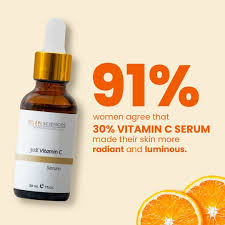
Bold percentages and big claims on the front of the bottle make comparing serums more confusing than it should be. Skinsciences keeps things simpler with its vitamin C serum — built around real concerns like dullness and uneven tone, instead of competing over who can print the highest number on the label. Whatever brand you end up going with, check the full ingredient list against your own skin before you check out.
Frequently Asked Questions
Is vitamin C serum good for glowing skin?
Vitamin C can help improve the appearance of dull and uneven skin over time. Regular use alongside moisturizer and sunscreen can support a brighter-looking complexion.
Can I use vitamin C serum every morning?
Many people can use vitamin C in the morning, but beginners or sensitive-skin users may want to start less frequently and gradually increase use if their skin tolerates it.
Can vitamin C serum remove dark spots?
Vitamin C may help reduce the appearance of uneven pigmentation and dark marks over time. Daily sunscreen is important for supporting pigmentation care.
Can vitamin C serum cause irritation?
Yes. Some formulations, particularly stronger ones, may cause stinging, redness, or dryness in sensitive skin. Introduce the product gradually and stop using it if significant irritation develops
The Bottom Line
At its core, Vitamin C Serum for Glowing Skin: How to Choose the Right One comes down to matching the formula to your actual skin, not the biggest number on the label. The type of vitamin C, the supporting ingredients, and your skin’s tolerance matter far more than concentration alone.
Ease in slowly, keep the rest of your routine simple, moisturize daily, and never skip sunscreen. Stick with it for a few weeks, and the right vitamin C serum genuinely earns its spot in your everyday routine.