
Breakouts, clogged pores, oil that shows up by noon, dark marks that outlast the pimple itself — acne-prone skin throws a lot at you. Retinol can genuinely help with most of it. It can also wreck your skin barrier in about a week if you grab the wrong strength or use it wrong.
So the “right” retinol serum isn’t one product. It depends on your skin type, the strength of the formula, what’s mixed in alongside the retinol, and — honestly — how disciplined you’re going to be about actually using it. Retinol is a vitamin A derivative; its job is speeding up cell turnover, which in practice means smoother texture, fewer fine lines, and more even tone over time.
Skip the instinct to buy the strongest bottle on the shelf. A serum you’ll actually use every week beats a stronger one sitting half-used in your cabinet by March.
Why Bother With Retinol If You Have Acne?
Cell turnover is the whole story here. Dead skin cells that don’t shed properly are a big part of why pores look clogged and texture looks rough in the first place. Retinol pushes that shedding process along.
That’s also why it’s popular with people who have acne and are starting to notice fine lines — it’s doing double duty.
Post-acne marks are the other big draw. A breakout heals, but it leaves a shadow behind. Retinol won’t erase that overnight, but paired with sunscreen, it tends to fade those marks faster than either one does alone.
None of this happens fast, though. Retinol is a slow burn, not a spot treatment.
What Actually Matters When You’re Choosing One
Forget the percentage on the front of the bottle for a second — that’s not where you should start.
Strength should match your experience, not your ambition.
If you’ve never used retinol, start low. A higher percentage doesn’t mean faster or better results; it mostly just means a higher chance of peeling, redness, or that tight, raw feeling by day four.
Your skin type changes what “good” looks like.
Oily or acne-prone skin usually wants something light that doesn’t sit on the surface. Dry or sensitive skin needs more hydration built in. If you’ve got both acne and sensitivity, that’s the trickiest combination — go slower than you think you need to.
The rest of the formula matters as much as the retinol itself.
A serum with hydrating ingredients alongside the retinol is just easier to live with long-term than one that’s pure retinol and nothing else.
Packaging isn’t just aesthetics.
Retinol degrades with light and air exposure. Opaque bottles and airless pumps protect it; clear jars you scoop from don’t. Check the storage instructions too — a serum left in a hot bathroom loses potency faster than one kept somewhere cool and dark.
Is It “Purging,” or Is It Just Irritation?
Some people break out more in the first few weeks of retinol. That’s often called purging, and it happens because faster turnover can push existing clogged pores to the surface sooner than they’d have surfaced on their own.
But not everything that happens after you start retinol is purging. If you’ve got real burning, spreading redness, swelling, or anything that feels like more than a normal adjustment — that’s probably just irritation, not purging. Back off the product, let your skin settle, and see a dermatologist if it’s not improving.
Starting Retinol Without Torching Your Skin Barrier
A small amount, on clean dry skin, at night — that’s the whole formula. Don’t start with nightly use. Two or three nights a week is plenty at first; you can build from there once your skin proves it can handle it.
Moisturize after. Once things have settled, increase frequency based on the product’s directions and, more importantly, on how your skin is actually responding — not on a schedule you set in advance.
A thin layer is enough. More product doesn’t speed anything up; it just raises your odds of irritation. And keep it away from the corners of your nose, your lips, your eye area — unless the label specifically says it’s formulated for those spots.
While you’re introducing retinol, this is not the time to also be running three exfoliating acids. Simplify everything else first. You can layer other actives back in once your skin has adjusted.
What Actually Pairs Well With It
You don’t need ten products to support a retinol routine. Really just two or three:
- Hyaluronic acid — pulls in moisture, useful if your skin feels tight while adjusting.
- Niacinamide — a solid fit for oily or blemish-prone skin, and most people can run it alongside retinol without issue.
- A basic moisturizer — nothing fancy, just something that matches your skin type without feeling greasy or heavy.
What to leave out for now: anything already irritated, sunburned, cracked, or badly dry shouldn’t be getting retinol on top of it. Stacking several strong exfoliants on the same night as retinol is a fast way to strip your skin. And if you’re on a prescription acne treatment already, talk to a dermatologist before adding retinol into that mix.
Sunscreen Isn’t a Suggestion Here
If part of what you’re treating is dark marks or uneven tone, skipping sunscreen basically cancels out the work retinol is doing. Broad-spectrum, applied generously, reapplied through the day — that’s the baseline. It also protects the newer, more sensitive skin retinol is uncovering.
Retinol itself stays in your nighttime routine unless a product specifically says otherwise.
How Long Until You Actually See Something?
Longer than a few days — that’s the most common miscalculation people make with retinol. Texture tends to improve first. Tone and marks take longer, and how long depends on your skin, the formula, how often you use it, and what you’re actually trying to fix.
Trying to speed it up by using more, or using it more often, tends to backfire — irritated skin is harder to stay consistent with, which slows you down more than it speeds you up.
Mistakes That Slow People Down
Going nightly right out of the gate is the big one — your skin needs time to build tolerance first. Overapplying is close behind; a thicker layer doesn’t work faster, it just irritates faster. Skipping moisturizer turns manageable dryness into real irritation. Skipping sunscreen undoes progress on tone. Switching products every couple of weeks means you never actually find out if something was working. And treating every single bump as “purging” can mean ignoring a product that just isn’t right for your skin.
Is Skin Sciences Retinol Serum Worth Considering?
Whatever serum you land on should fit your skin type, your experience level, and the specific thing you’re trying to fix — that’s true no matter whose name is on the bottle.
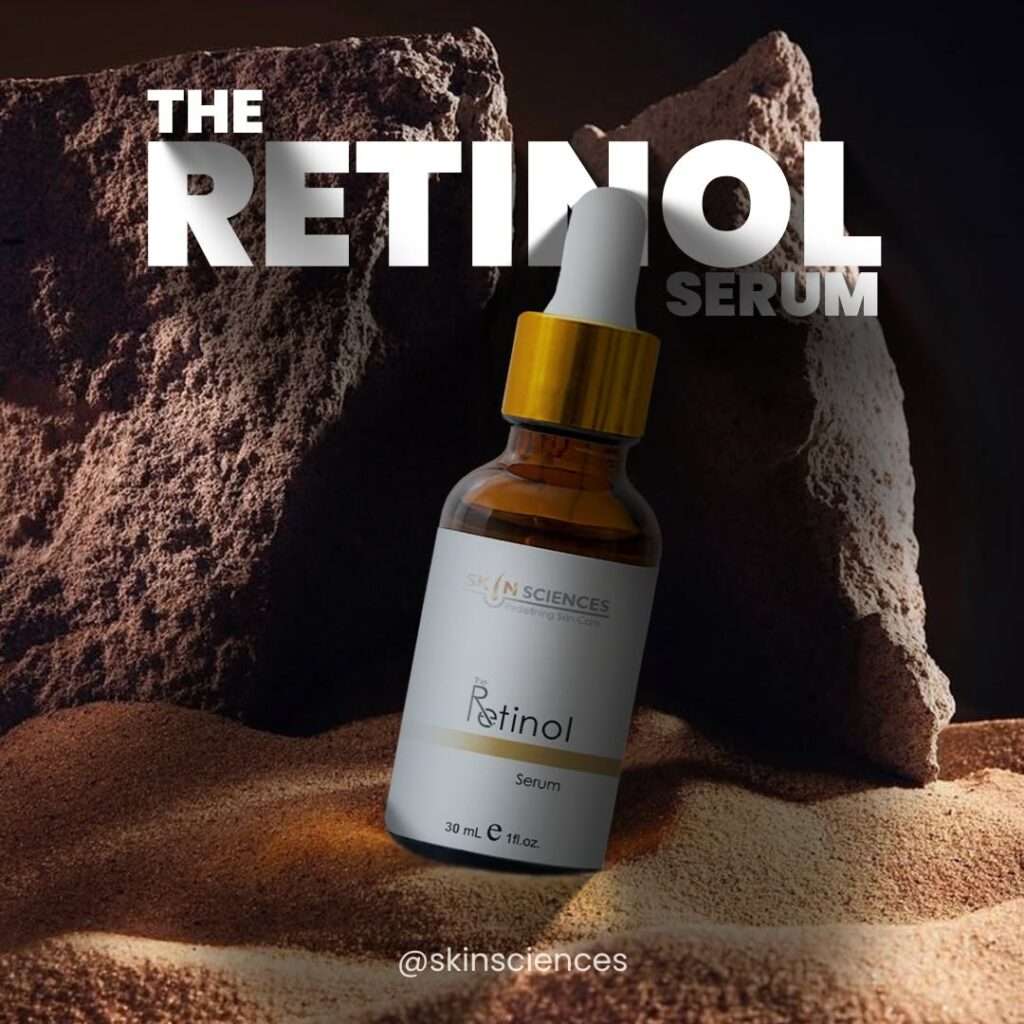
Skin Sciences builds its line around exactly those concerns: uneven tone, texture, hydration, early aging. Its retinol serum can slot into a nighttime routine reasonably well if the formula matches what your skin actually needs — which, again, means reading the ingredient list rather than assuming.
If your skin is sensitive, or you’re managing a diagnosed skin condition, a quick check-in with a dermatologist before you start is worth the five minutes.
The best retinol serum was never the strongest one on the shelf. It’s the one you’ll actually use, correctly, for month
Frequently Asked Questions
Can I use retinol serum if I have acne-prone skin?
Yes, but ease into it. If your skin is sensitive or already irritated, go slower than you think you need to.
How often should beginners use retinol serum?
A few nights a week is a good starting point, increasing gradually as your skin adjusts. Follow the specific instructions for your product.
Can retinol help with acne marks?
It can help fade uneven tone and post-acne marks over time by supporting renewal — paired with consistent sunscreen, since UV exposure works against that progress.
Should I moisturize after retinol?
Yes. It helps offset dryness and keeps skin more comfortable, especially in the first few weeks.
What You Need to Know
The best retinol serum for acne-prone skin isn’t the one with the biggest number on the label — it’s the one that fits your skin type and sensitivity, and that you’ll actually keep using.
Start slow. Use less than feels like “enough.” Keep the rest of your routine simple while you adjust, back everything up with moisturizer and daily sunscreen, and don’t stack too many actives at once.
If your acne is severe, painful, or leaving real scarring, no serum on its own is going to fix that — that’s a dermatologist conversation, not a skincare-aisle one.